

Rubbish collection guide for Rushey Green SE6
Posted on 17/10/2026
If you live, work, or manage a property in Rushey Green SE6, rubbish has a way of building up faster than you expect. A spare sofa sits in the hallway. Old boxes end up in the loft. Garden clippings, broken furniture, and builder's debris seem harmless until they're suddenly in the way. This rubbish collection guide for Rushey Green SE6 walks you through the practical side of getting waste cleared efficiently, safely, and without the usual headache.
The goal here is simple: help you understand what rubbish collection can handle, when it makes sense, what to watch out for, and how to make a sensible choice for your home or business. No fluff. Just the kind of guidance that saves you time on a wet Tuesday morning when the bin bags are already stacked by the door.
For broader service context, you may also want to look at the services overview and the company's approach to recycling and sustainability.
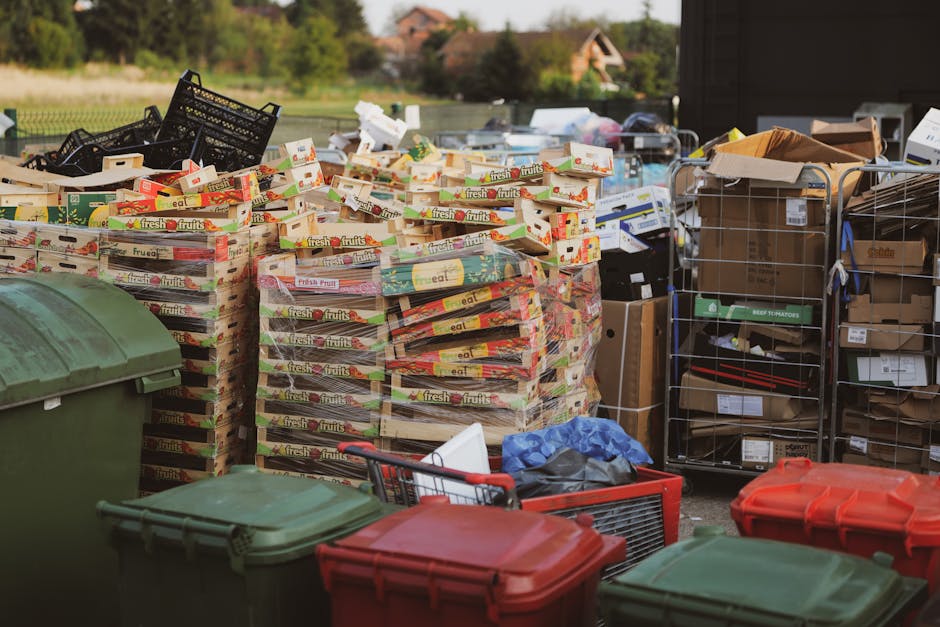
Why Rubbish collection guide for Rushey Green SE6 Matters
Rubbish collection sounds straightforward, but in real life it affects space, safety, cleanliness, and even how smoothly your day runs. In Rushey Green SE6, where streets, homes, flats, and small businesses often sit close together, unmanaged waste can become a nuisance very quickly. One overloaded bin or a pile of unwanted items near the pavement can attract complaints, block access, or just make the place feel untidy.
That matters more than people think. A clear space feels calmer. It is easier to clean, easier to move around in, and much easier to let go of the clutter you've been putting off for months. Truth be told, many people do not need a dramatic "clearout project"; they just need a decent, practical collection plan.
There is also the local reality of mixed property types. Some residents are dealing with compact flats and limited storage. Others are renovating, moving, or clearing out family homes. A rubbish collection service is often the middle ground between doing it yourself and hiring a full-scale waste clearance team. If you are comparing those options, the page on rubbish collection in the Catford area is a useful companion read.
Expert summary: The best rubbish collection choice is usually the one that matches your waste type, access conditions, and timing needs without creating extra work for you later.
How Rubbish collection guide for Rushey Green SE6 Works
At its simplest, rubbish collection means unwanted items are removed from your property and taken away for disposal, sorting, reuse, or recycling where possible. The process can be as basic as loading bagged waste, or as involved as carrying bulky furniture down stairs, sorting mixed materials, and clearing a loft or garden at the same time.
Most people are trying to solve one of three problems:
- They have too much rubbish for normal household bins.
- They need bulky or awkward items removed.
- They want a quicker, cleaner alternative to hiring a van and doing the heavy lifting themselves.
In practice, the job usually starts with a description of what needs removing. Photos help a lot. That lets the provider judge volume, access, and whether any items need special handling. You may be asked about stairs, parking, entry codes, or whether the waste includes anything that should not be mixed with general rubbish.
Once the collection is arranged, the team arrives, loads the waste, and clears the area. Sounds simple, and sometimes it is. Other times you discover the old wardrobe was hiding a second wardrobe behind it. Happens more often than people admit.
If you are dealing with a larger property clean-up, the services for house clearance, loft clearance, or furniture disposal may be more appropriate than a simple one-off collection.
Key Benefits and Practical Advantages
The biggest benefit is obvious: you get your space back. But there are several other advantages that matter just as much once the task is underway.
- Convenience: You avoid hiring a van, carrying heavy loads, or spending a whole weekend on tip runs.
- Time-saving: A single collection can clear what would otherwise take several journeys.
- Cleaner finish: Once the waste is gone, you can actually see the room, garden, or hallway properly again.
- Safer handling: Heavy, sharp, or awkward items are less risky when managed by people who do this all the time.
- Better sorting: A good provider will separate recyclables and reduce avoidable landfill use where possible.
- Less stress: There is something oddly satisfying about closing the door on a cluttered room and knowing it is sorted. Simple pleasure, really.
There is also a practical cost angle. If the alternative is taking several half-full car journeys, paying for parking, and losing a Saturday, rubbish collection can work out better value than it first looks. That is especially true when the waste includes large or awkward items that are not fun to move twice.
Who This Is For and When It Makes Sense
This guide is useful for quite a wide mix of people. You might recognise yourself in one of these situations:
- Homeowners clearing everyday household rubbish, old furniture, or renovation leftovers.
- Tenants moving out and needing to leave the property tidy without a last-minute panic.
- Landlords and agents dealing with end-of-tenancy waste, abandoned items, or post-eviction mess.
- Tradespeople who need builder's waste removed after a job.
- Office managers shifting old desks, chairs, filing, or general business clutter.
- Families handling bereavement clearances or accumulated household items.
It also makes sense if you have awkward access. A narrow stairwell, no lift, awkward parking, or a top-floor flat can turn a simple job into a lot of lifting. In those cases, a collection service often saves the day. No drama, just less faffing about.
If your waste came from decorating or a building project, take a look at builders waste disposal. For outside spaces, garden waste removal is the more suitable route.
Step-by-Step Guidance
If you want the process to go smoothly, a bit of preparation helps. Here is the practical version.
- Sort the waste by type. Group general rubbish, furniture, garden debris, and renovation waste separately where you can.
- Check for any restricted items. Some materials need special handling, and mixed loads can complicate collection.
- Estimate the volume. Is it a few bags, a van load, or something more substantial? A rough description is fine if you are not sure.
- Take photos. A couple of clear pictures usually make quoting easier and reduce misunderstandings.
- Note access details. Stairs, parking, time restrictions, and entry instructions all matter.
- Ask about recycling and disposal. You want to know where your waste is going, not just that it is disappearing.
- Book a suitable slot. If timing matters, choose a window that gives you enough breathing room.
- Clear a path before collection. A clear hallway or driveway makes the job quicker and safer.
A useful habit is to prepare the day before. Not the day of. There is a huge difference between "ready for collection" and "still moving things around when the van arrives." We have all been there, or at least known someone who has.
If you are starting from a broader service need rather than one pile of rubbish, waste clearance can be a better fit than a narrow collection-only job.
Expert Tips for Better Results
Over time, a few habits make the whole process much smoother. These are the ones that tend to save hassle.
- Be honest about volume. A slightly optimistic estimate often leads to a less convenient collection than you expected.
- Keep recyclable items separate where practical. It helps speed things up and supports better sorting.
- Label anything unusual. If something is fragile, sharp, very heavy, or needs two people to lift, say so.
- Check access before the day. If a car has parked in the loading spot or the lift is out of order, tell the provider early.
- Ask about disassembly. Wardrobes, bed frames, and office furniture often move better in pieces.
- Take before photos if you are a landlord or agent. It gives you a clean record and avoids confusion later.
One small but useful tip: keep a "don't forget" box for items you are definitely keeping. It sounds obvious, but when a room is half-empty, people sometimes throw things into the wrong pile. A charger. A folder. A set of keys. It happens.

Common Mistakes to Avoid
Most collection problems come from simple oversights rather than major mistakes. The good news is they are easy to avoid if you know what to look for.
- Leaving everything until the last minute. That is how sorting becomes a scramble.
- Mixing unsuitable items together. Different waste streams can need different handling.
- Underestimating the amount of rubbish. A "small clear-out" can turn into half a room very quickly.
- Ignoring access constraints. A narrow stairwell or difficult parking can change the whole job.
- Not asking where the waste goes. Reputable providers should be transparent about disposal practices.
- Assuming every item is accepted automatically. Some items need special care or may be excluded.
There is also the classic mistake of bagging everything badly. Thin bags tear, loose items spill, and suddenly the job gets messier than the original mess. Not ideal.
Tools, Resources and Recommendations
You do not need a truckload of equipment to organise rubbish collection, but a few simple tools help a lot.
- Heavy-duty refuse bags for baggable waste.
- Gloves for handling dusty or rough items.
- Mask or dust protection if you are clearing a loft or old storage space.
- Marker labels for separating keep, donate, and remove piles.
- Tape measure if you need a rough sense of bulky item size.
- Phone camera for sending photos and documenting the space.
Useful practical recommendations? Start with the biggest item first. It sets the tone. Once the bulky thing is out, everything else looks more manageable. That little psychological win helps.
If you are comparing providers, the page on pricing and quotes is worth reviewing, especially if you want to understand how quotes are typically approached before you book. For company background and service standards, about us is also useful.
Law, Compliance, Standards, or Best Practice
Waste disposal in the UK sits within a wider framework of responsibility, which means rubbish should not be treated as "just take it away and forget about it." In plain English, proper handling matters. A sensible provider should be able to explain how waste is managed, how recyclable material is separated where appropriate, and how they work in line with recognised industry expectations.
For you as the customer, best practice is simple:
- Be clear about what the waste contains.
- Do not hide restricted or hazardous items in a general load.
- Use a provider that takes disposal seriously, not casually.
- Keep paperwork or confirmation details if the job is commercial or part of a property handover.
Commercial clients, landlords, and anyone managing multiple properties should be extra careful. It is one thing to clear a shed. It is another to manage waste from a business premises or a clearance between tenancies. A tidy process protects everyone involved.
For related policy and trust information, you can also review insurance and safety, terms and conditions, payment and security, and the privacy policy.
Options, Methods, or Comparison Table
People in Rushey Green SE6 usually choose between a few practical approaches. Which one makes sense depends on volume, urgency, and how much lifting you want to do yourself.
| Option | Best for | Pros | Trade-offs |
|---|---|---|---|
| DIY rubbish removal | Very small loads and flexible schedules | Maximum control, can be cheaper for tiny amounts | Time-consuming, heavy lifting, transport hassle |
| Van and tip run | People with access to a vehicle and spare time | Useful for moderate waste, direct handling | Parking, loading, and multiple journeys can be tiring |
| Rubbish collection service | Household, bulky, or mixed waste | Convenient, fast, reduced manual effort | Cost depends on volume and access |
| Full waste clearance | Lofts, houses, offices, and larger projects | Best for complex or high-volume jobs | May be more service than you need for a small pile |
If your job is mainly furniture, a dedicated furniture disposal service can be a tidy middle option. If it is an office space, office clearance may be the smarter route.
Case Study or Real-World Example
Here is a realistic example, without dressing it up too much.
A small rental flat near Rushey Green needs clearing after tenants leave. There are four black bags of mixed rubbish, a broken chair, a coffee table with one damaged leg, and a couple of boxes from the bedroom cupboard. Nothing huge. But the stairwell is narrow, the lift is temperamental, and the landlord wants the property ready for viewing by the weekend.
The sensible move is not to try and squeeze all of that into a tiny car boot over three separate trips. It is to arrange a collection, send photos, confirm access, and have the waste removed in one go. The result is a cleared flat by late afternoon, no lingering mess in the hallway, and one less thing to worry about before the next viewing.
That kind of job is common. Maybe not glamorous, but very real. And honestly, the relief on the day is hard to beat.
Practical Checklist
Use this checklist before your collection:
- Identify what needs removing.
- Separate general rubbish, bulky items, and garden waste if possible.
- Check whether any items need special handling.
- Take photos for reference.
- Measure large items if access is tight.
- Confirm stairs, parking, and entry details.
- Clear a path to the items.
- Keep valuables and keep-items safely out of the way.
- Ask how the waste will be sorted or disposed of.
- Keep your confirmation details and any paperwork.
Quick takeaway: A little prep can make the job faster, cheaper, and far less stressful. That is usually where the value is.
Conclusion
A good rubbish collection plan in Rushey Green SE6 is not really about waste alone. It is about making your property easier to use again. Whether you are clearing a flat, a family home, a garden, or a work space, the right approach will save time and keep the process calmer than trying to do everything yourself at the last minute.
Start by identifying the waste, think honestly about access and volume, and choose the method that fits the job rather than the one that sounds quickest on paper. Simple enough, but it makes a real difference.
If you are weighing up collection, clearance, furniture removal, or a broader tidy-up, the smartest next step is to compare the options before the clutter turns into another weekend project. And let's face it, nobody wants that.
Get a free quote today and see how much you can save.
When the space is clear again, everything feels lighter. Even the room seems to breathe a bit.
 Tipper Van - Rubbish Clearance and Waste Clearance Prices in Catford, SE6
 Luton Van - Rubbish Clearance and Waste Clearance Prices in Catford, SE6

